1. Triage the hazards
Sharps come first, then soaked items, then everything else. This order keeps the crew and the property safer.
Louisville, OH · Stark County
Waste from care, injury or illness does not belong with the household garbage. In Louisville, call (877) 812-4220 to talk about sharps containers, soaked items and scheduled pickups for small practices.
If anyone is in danger, call 911 first. For a suicide crisis, call or text 988.
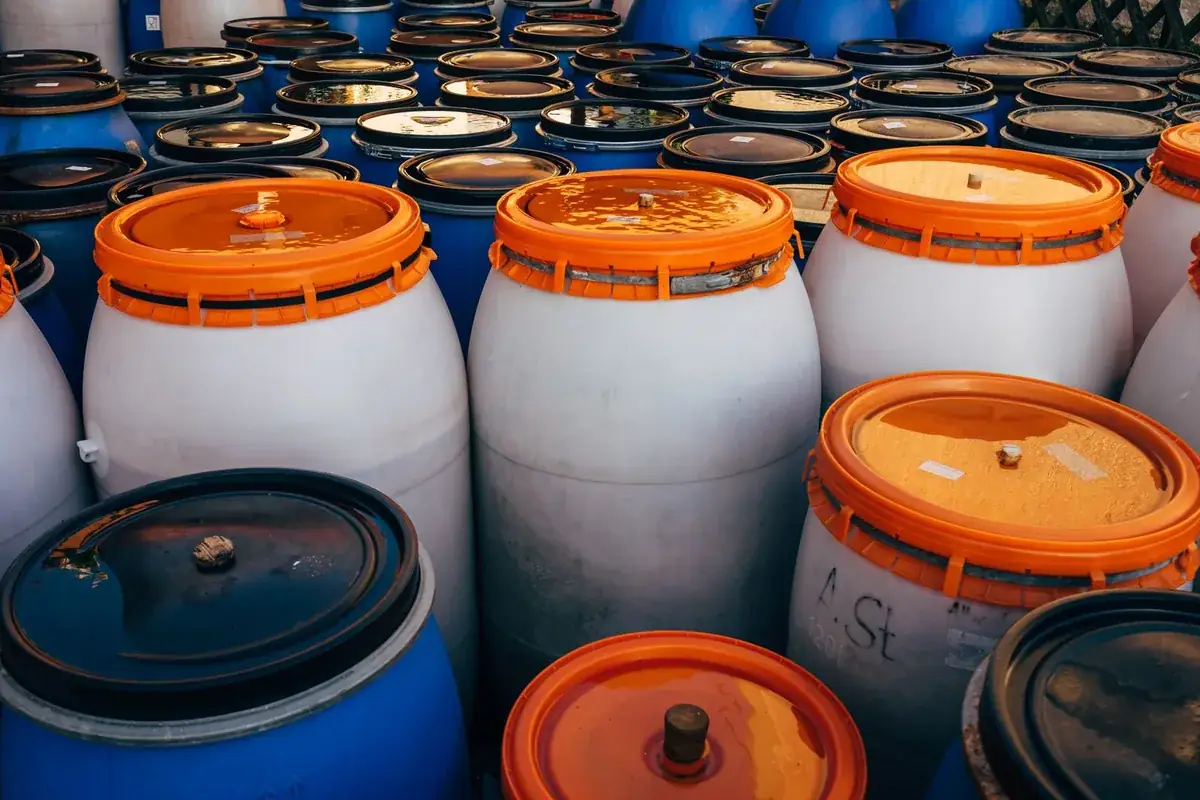
Biohazard waste removal means taking away items contaminated with blood or other bodily fluids and sending them to a facility that treats them. The cleanup team packs, labels and hauls everything, from sorting to final disposal.
If your Louisville home, small clinic, care home or rental unit has sharps, soaked supplies or other clinical waste, call Louisville Biohazard Cleanup Help to get it collected anywhere in Stark County. The team wears protective equipment and follows the OSHA Bloodborne Pathogens Standard, 29 CFR 1910.1030.
When many seniors live alone, as in Louisville where it is about 38%, used needles and dressings can be left behind with nobody to remove them. If anyone is stuck by a needle or splashed, the nearest emergency room is Alliance Community Hospital in Alliance, about 9 miles away. Call 911 if it is an emergency.
A typical medical waste removal job includes:
Sharps come first, then soaked items, then everything else. This order keeps the crew and the property safer.
Sharps go into puncture-resistant containers. Soaked items are bagged, sealed and labeled so nothing leaks during transport.
The waste is hauled for treatment instead of landfill trash. The team can explain each step of the route.
Surfaces where the waste sat are cleaned and disinfected. The owner can ask for a record of what was removed.
The cost of medical waste removal in Louisville, OH depends on the amount of material, how it is packed and how it is hauled.
Records and paperwork for a landlord, insurer or clinic can add time, so tell the team up front if you need them.
| Type of job | Typical range |
|---|---|
| Regulated medical waste | $0.30 - $0.80 per pound |
| Dental office | $50 - $175 per month |
| Small physician practice | $75 - $200 per month |
| Medical waste disposal | $2 - $20 per pound |
Figures are planning ranges from MedPro Disposal, Fixr, not a price for any specific Louisville property. Price drivers include weight of waste, type of waste, how often pickup happens, container and transport fees. Call (877) 812-4220 any hour.
Yes. Used needles, lancets, dressings and disposable supplies from home care can be collected and disposed of. Families often call after a long illness, a hospice stay or a move. You get a team to take care of the waste so family members do not have to.
It can be. A bandage soaked or dripping with blood may carry bloodborne pathogens, and handling it carelessly can expose skin or eyes. A lightly stained one is a smaller concern. If you are unsure, use gloves, bag it, and ask a cleanup team or the local health department what to do.
Lease terms and local law decide. A landlord, an attorney or a tenant rights group can say who is responsible for waste left in a unit. A property owner can still hire a cleanup team to clear the waste first, and keep the record the team gives you.
Not exactly. A sharps container is a rigid, puncture-resistant box made for needles and similar items. A biohazard bin or bag holds other contaminated waste, such as soaked dressings. A cleanup team uses both and seals them for transport.
Needles and soaked items should not go in household trash. They can injure sanitation workers and spread germs. Rules for small household amounts of sharps vary by city and county, so the local health department can say what applies. A cleanup team can take anything larger or anything from another person's care.
No. Leave it as it is and keep people and pets away. Sorting by hand is how many sticks and splashes happen. The cleanup team sorts and packs everything with protective gear and the right containers.
One call can set up a single pickup or a repeat schedule.
Call (877) 812-4220